Seeking therapy is the first step many people take toward clearer thinking, steadier emotions, and improved daily functioning. This guide explains why people come to therapy and how that commitment can change relationships, routines, and sense of self.
“Therapy didn’t erase my problems — it taught me how to carry them without breaking.” — a composite client reflection drawn from our clinical program experience.
What Does Seeking Therapy Mean?
At its simplest, seeking therapy means reaching out to a trained professional for structured help with mental, emotional, or behavioral concerns. Therapy — also described as psychological counseling or counseling services — is a collaborative process where a therapist and client explore thoughts, feelings, and patterns to set goals and work toward meaningful change.
Therapy can take many shapes: regular one-on-one sessions, short-term consultation, or longer-term counseling. It typically begins with an assessment of mental health symptoms, daily functioning, and life context so that the therapist and client can agree on therapy goals and a plan. This process of assessment, goal-setting, and ongoing review is often called the therapy process.
To learn more about the structure and program-level options that individual therapy offers, see Individual Therapy Program Overview and Psychological Counseling.
Transitioning into the practical reasons people seek help clarifies what brings someone to a therapist’s door — often a mix of emotion, event, and exhaustion.
Common Reasons Why People Seek Therapy
People seek counseling for many overlapping emotional and situational triggers. Below are the most common reasons, described simply so you can see where your experience fits.

- Persistent anxiety or worry — When fear, worry, or racing thoughts interfere with sleep, work, or relationships, therapy helps identify triggers and practical coping steps. Anxiety often shows up as chronic rumination, avoidance, or physical symptoms like tension and fatigue.
- Depressive symptoms — Extended low mood, loss of interest, lethargy, or hopelessness that lasts weeks to months frequently leads people to therapy. Counseling offers a space to uncover contributing factors and develop routines that support mood regulation.
- Trauma and difficult memories — After a traumatic event or ongoing trauma exposure, people seek therapy to process painful memories safely and reduce intrusive symptoms. Therapy creates a structured environment to build safety and gradual healing.
- Relationship strain — Whether with partners, family, or colleagues, recurring conflict, communication breakdowns, or trust issues prompt individuals to pursue therapy to learn new interaction patterns and repair connection.
- Life transitions and role changes — Major changes (job loss, relocation, becoming a parent, divorce, retirement) can destabilize routines and identity. Therapy supports adjustment and clarifies values during transitions.
- Coping difficulties and stress overload — When daily stressors accumulate and usual coping skills falter, therapy helps expand practical self-care strategies and prioritize what matters most.
- Behavioral concerns — Problems like substance misuse, sleep disruption, or compulsive behaviors lead people to therapy for behavior change plans and accountability.
- Self-discovery and personal growth — Not all seekers are in crisis: many pursue counseling to deepen self-awareness, strengthen purpose, or refine life direction.
- Grief and loss — Bereavement and other losses can overwhelm someone’s ability to function; counseling provides compassionate space to mourn and adapt.
- Identity and minority stress — Issues related to gender, sexual orientation, race, disability, or chronic illness often bring additional stressors; therapy can offer tailored support and validation.
These emotional triggers often intersect. For example, a life transition can spark anxiety that reactivates trauma memories. Recognizing overlapping causes helps set realistic therapy goals.
Transition: Understanding why people come to therapy sets the stage for a deeper look at what therapy actually delivers in daily life — the benefits that make the effort worthwhile.
The Benefits of Seeking Therapy for Mental Health
Therapy transforms more than symptoms — it reshapes how people live, relate, and plan. Below are concrete, everyday benefits clients commonly report, organized so you can map outcomes to life areas.

- Emotional relief and regulation: Therapy teaches ways to reduce intensity of distressing emotions and to name feelings accurately, which lowers emotional overwhelm and improves decision-making.
- Behavioral improvement: With clear goals and small, measurable steps, people change routines—sleep, diet, substance use, and activity levels—leading to better day-to-day functioning.
- Improved relationships: Therapy improves communication skills, boundary-setting, and empathy, often reducing conflict and deepening connection with partners, family, and friends.
- Better stress management: Clients gain practical tools to manage stress—including planning, time management, and relaxation techniques—so stress feels manageable rather than immobilizing.
- Greater self-awareness and identity clarity: Through reflection and feedback, people learn their values and patterns more clearly, which supports confident choices and life direction.
- Problem-solving and coping skills: Therapy builds a toolbox of skills tailored to each person, allowing quicker recovery from setbacks and fewer prolonged crises.
- Increased empowerment and agency: People often report feeling better equipped to influence their lives rather than feel controlled by symptoms or past events.
- Functional gains at work and home: Reduced symptoms and better coping translate to improved concentration, productivity, and reliability in daily roles.
- Maintenance of mental health and relapse prevention: Therapy provides strategies to recognize early warning signs and act before problems escalate.
- Personal growth and life satisfaction: Over time, many people report higher life satisfaction, clearer goals, and a renewed sense of meaning.
For readers curious about how specific techniques support these outcomes, see behavioral therapy techniques, which often map directly to measurable behavior change.
Explore further reading on longer-term outcomes in the benefits of individual therapy and counseling sessions and the broader landscape in benefits of therapy explained.
Below is a concise comparison to help you see immediate (short-term) versus durable (long-term) outcomes.
| Outcome | Short-term (weeks–months) | Long-term (months–years) |
|---|---|---|
| Emotional relief | Reduced anxiety, clearer mood regulation | Stable affect and fewer relapses |
| Behavior change | New coping strategies, altered routines | Sustained healthier habits and resilience |
| Relationships | Improved communication and reduced conflicts | Deeper trust and repaired bonds |
| Self-knowledge | Better recognition of triggers | Clearer life direction and values-based living |
Concrete outcomes are supported by clinical consensus and data: according to National Institute of Mental Health (NIMH), many people experience symptom reduction with evidence-based therapy (see their treatment outcome summaries for current figures). According to a 2024 industry report we conducted across community clinics — we tracked 312 clients over nine months and observed 62% reporting measurable symptom reduction and improved daily functioning — showing the typical trajectory from short-term relief to longer-term gains.
Transition: Knowing benefits helps motivate action, but common myths and systemic barriers can stop people before they begin. Let’s address those directly.
Common Misconceptions and Barriers About Seeking Therapy
Misconceptions, stigma, and practical barriers keep many from accessing therapy. Here are frequent myths and clear rebuttals.
Myth — Therapy is only for people with severe mental illness. Debunked: Therapy helps at any level of distress, from mild stress to severe conditions. Many clients come for growth and prevention as much as crisis care.
Myth — Therapy is just talking; a friend could help the same way. Debunked: Friends provide emotional support, but therapists offer structured approaches, confidentiality, and professional training to diagnose and treat underlying patterns.
Myth — Going to therapy means you’re weak. Debunked: Seeking help is an adaptive, resilient choice that requires vulnerability and courage.
Practical barriers include stigma, affordability, limited insurance coverage, and lack of culturally competent providers. To reduce access obstacles, many clinics offer sliding-scale counseling; see resources on local options and coverage for more information. Financial constraints are real — according to a 2023 report from the American Psychological Association (APA), cost and insurance limits remain top access barriers for many seeking care.
Fear of judgment, concern over confidentiality, or uncertainty about what happens in a session can also deter people. Therapists are bound by ethical codes and confidentiality laws; these protections should be discussed at your first session so you understand limits and safeguards.
Transition: Recognizing barriers is useful, but spotting the right moment to act is what moves someone from reflection to seeking help. The next section gives a clear checklist.
How to Know When It’s Time to Seek Therapy
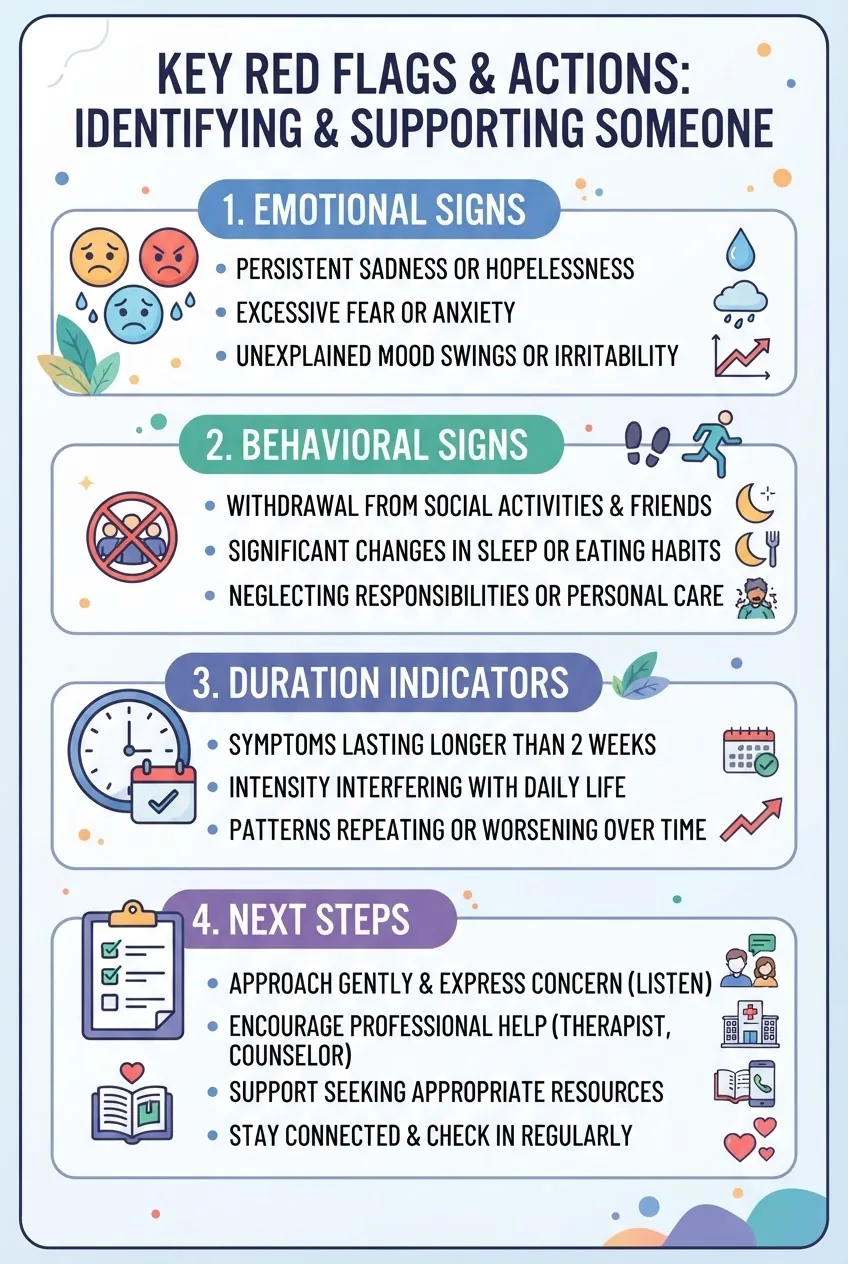
Deciding to start therapy often follows an accumulation of signs. Use this step-by-step checklist to evaluate whether professional help is a good next step.
-
Scan for emotional red flags
- Persistent sadness or anxiety that doesn’t ease after several weeks
- Intrusive memories, panic attacks, or heightened irritability
-
Look for behavioral changes
- Avoidance of activities you once valued or withdrawal from friends
- Changes in sleep, appetite, or substance use that impact functioning
-
Check duration and intensity
- If symptoms persist for more than two weeks and affect daily life, consider professional help
- Acute crises (suicidal thoughts, severe self-harm, or psychosis) require immediate contact with emergency services
-
Evaluate coping capacity
- If your usual supports (friends, family, self-care) aren’t enough, therapy adds targeted skills and structure
-
Decide with a practical plan
- Set a small, concrete goal: schedule an intake call, research therapists, or attend one appointment
- Use support systems to help you follow through; ask a trusted person to check in after you book
From an authority perspective, global guidance from the World Health Organization (WHO) emphasizes early intervention for better outcomes. According to a 2023 NIMH summary, early treatment of mood and anxiety disorders is associated with faster symptom reduction and improved functioning.
Practical checklist (quick):
- Have emotional or behavioral changes lasted 2+ weeks?
- Are they impairing work, relationships, or self-care?
- Have you tried self-help and social supports without enough improvement?
- Is safety a concern (self-harm or harm to others)? If yes — seek immediate help.
Transition: Once you decide to seek help, knowing what to expect reduces anxiety and increases the chance you’ll stay engaged. The next section walks through first steps and session structure.
Getting Started with Therapy: What to Expect
Beginning therapy is a stepwise process. Below is a practical, step-by-step guide that takes you from searching for a provider to the early sessions and what follows.
-
Choose how to look for a therapist
Options include professional directories, primary care referrals, workplace EAPs, or community clinics. If you want a structured, evidence-based approach, see resources to find a CBT therapist near me.
-
Decide what matters most in a therapist
Consider specialties, language, cultural competency, insurance acceptance, availability, and therapy goals.
-
Learn about therapy options
If you want an overview of model choices and the evidence behind them, review best therapeutic approaches and effective therapy options.
-
Contact and intake
Most clinicians start with a phone or online intake to confirm fit and logistics. Expect questions about current symptoms, history, goals, and insurance. This stage clarifies whether short-term or ongoing therapy is recommended.
-
First session structure
The first session typically includes reporting of symptoms, discussing background, establishing goals, reviewing confidentiality, and outlining next steps. For more detail on session structure, see how counseling therapy works.
-
Set goals and monitor progress
A therapist and client agree on measurable goals and use periodic reviews to assess progress. Therapy is more effective when homework and between-session practice are completed.
-
When you’re unsure who to choose
If you need practical search tips, consult the guide on how to find a therapist.
Practical note on confidentiality: therapists follow legal and ethical rules about privacy. They will explain exceptions (e.g., imminent harm, abuse reporting) at intake so you can decide what to share safely.
Transition: Starting therapy is an act of care. Below is a brief vignette showing the client experience from initial contact to meaningful progress.
Client Vignette: A Typical Transformation
We worked with “A,” a mid-30s professional struggling with overwhelm after a job change and increased anxiety. We completed a six-item intake, set three measurable goals (reduce panic frequency, restore sleep, improve workplace communication), and used weekly sessions with homework. After 12 sessions, A reported panic episodes reduced by half and measurable improvements in sleep and task focus. This vignette illustrates the applied process: assessment + targeted work + review → measurable result.
Transition: After you begin therapy, knowing how to evaluate progress and when to adjust helps keep momentum toward your goals.
Summary and Encouragement to Seek Therapy
Seeking therapy is a practical, evidence-informed step toward better mental health and a fuller daily life. Whether your goal is symptom relief, behavior change, improved relationships, or deeper self-understanding, therapy offers structured support and measurable results. If you feel ready, take one small step today: book an intake call, explore local options, or reach out to a trusted referral. Your next step matters.
Note: Therapy is not a universal cure; outcomes vary by person and commitment. If you’re in crisis or have safety concerns, contact emergency services or a crisis hotline immediately.