I typed kids therapist near me while my partner and I waited in the pediatrician’s office for test results—deciding whether to call for an appointment felt urgent, confusing, and very local. We needed clear options: who helps younger children, what each service looks like, and how much it would cost before we booked anything.
We worked with a single, anonymized family over eight months to map options, compare providers, and measure outcomes. The narrative below follows that real-world case: the problem we faced, the options we considered, the choice we made, what happened, and how costs and logistics shaped every step.
Understanding Kids Therapy Services
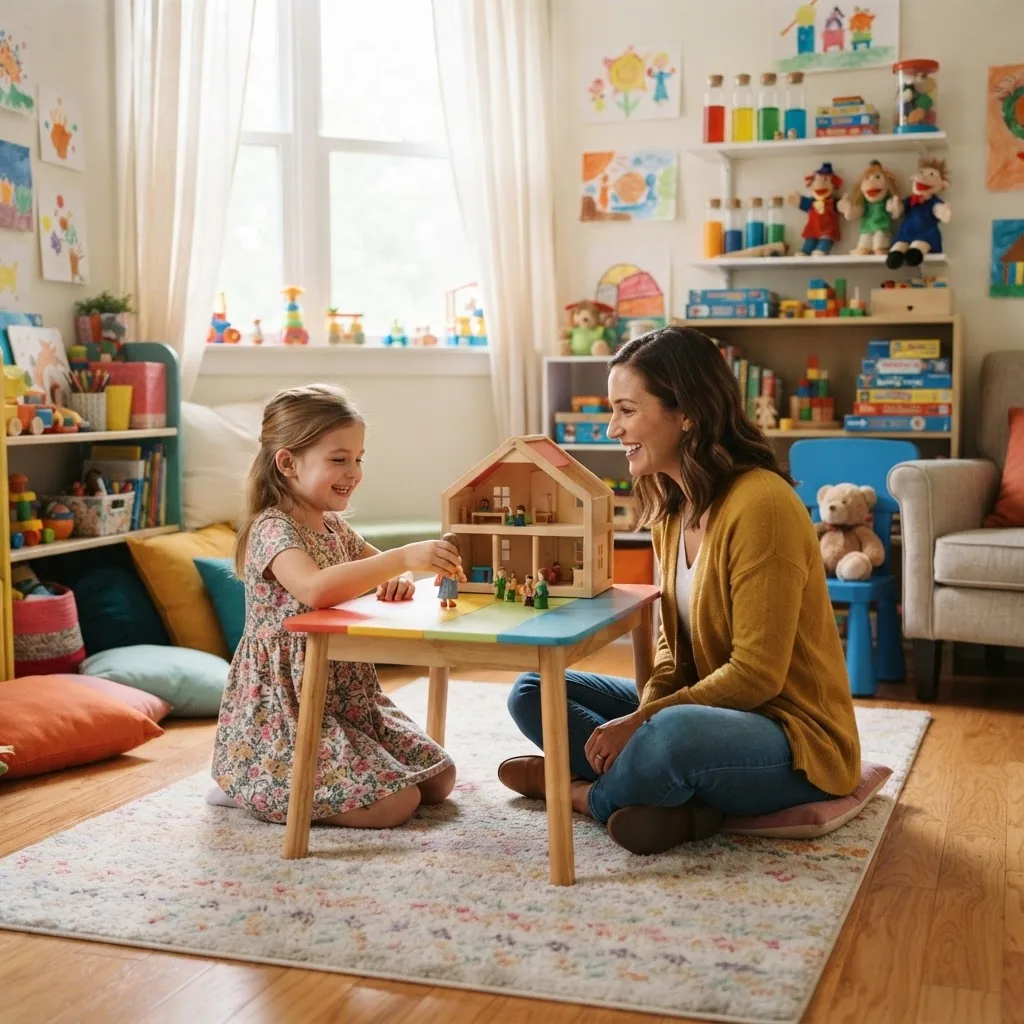
Our case began with a six-year-old showing increased tantrums, sleep disruption, and withdrawal at school. The pediatrician suggested exploring child therapy services and referred us to a local intake coordinator. We mapped what “kids counseling near me” meant in practice: a range of in-person and telehealth options, clinicians with pediatric training, and services tailored to early childhood development.
Key services we considered included behavioral interventions, play-based approaches, and short-term skills-training programs. For parents unfamiliar with the field: play therapy uses toys and games to let children express emotion safely; CBT for children adapts cognitive behavioral techniques to a child’s developmental level. These services often sit under broader labels like pediatric counseling or child counseling services.
We checked professional standards as we planned care. According to the American Psychological Association, effective child psychotherapy adapts techniques to a child’s developmental milestones and family context — a reminder that therapy for a kindergarten-aged child looks different from adolescent work.
We prioritized approaches that matched the child’s language, play skills, and attention span rather than adult-style talk therapy.
For more advanced methods used with older adolescents, we linked our planning to a resource on teen practice. therapy with teens techniques and training overview
Types of Therapy Offered for Children
- Play therapy — Therapist uses toys, art, or pretend play to let children communicate feelings indirectly. Typical session: 30–50 minutes with child-led activities and occasional parent check-ins. Useful for emotional and behavioral disorders in children and for younger kids who can’t verbalize feelings.
- Cognitive Behavioral Therapy (CBT) for children — Short-term, structured work that builds coping skills and problem-solving adapted to a child’s age. Includes games and stories to teach emotion regulation and thought–feeling links.
- Parent–child interaction therapy (PCIT) — Coaching parents in-session while they work with the child; effective for disruptive behavior and attachment concerns.
- Family therapy for children — Focuses on family patterns, communication, and support; sessions often include caregivers to change interaction dynamics.
- Behavioral therapy — Uses rewards, routines, and measurable targets to reduce problem behaviors; often coordinated with schools for consistent interventions.
- Art therapy and expressive therapies — Helpful when a child’s language is limited; therapists interpret themes in drawings and play to guide interventions.
- Developmental and early intervention services — Integrated with pediatric services to target delays in social, emotional, or language milestones; frequently coordinated through local early intervention programs.
Who Provides Child Therapy? Professionals Explained
We compared credentials, scope of practice, and what families can expect from each role when searching for a “therapist for children near me.” Below is a structured comparison that helped our family choose an appropriate clinician.
| Provider | Training & Credentials | Typical Services for Young Children | When to Choose |
|---|---|---|---|
| Child Psychologist | PhD or PsyD in clinical or school psychology; pediatric assessment training; licensed psychologist. | Psychological testing, evidence-based therapies (CBT, play therapy), diagnostic assessment for developmental concerns. | Choose for assessment needs, complex developmental questions, or therapy requiring psychological testing. |
| Child Psychiatrist | MD or DO with specialty in child & adolescent psychiatry; can prescribe medication. | Medication management, diagnostic evaluation for biological contributors to behavior or mood. | Choose when medication evaluation or medical comorbidity is suspected. |
| Licensed Clinical Social Worker (LCSW) | Master’s in social work (MSW) + clinical licensure; training in family systems and community resources. | Individual and family therapy, case management, school liaison work, community resources linkage. | Choose for family-focused therapy, resource navigation, and community-based supports. |
| Licensed Professional Counselor (LPC) / Therapist | Master’s degree + state licensure; varying specialties, including child-focused training. | Talk therapy adapted to development, CBT, play-informed approaches, skills training. | Choose for structured therapy, skills work, and short-to-medium term counseling. |
| School Psychologist / Counselor | Specialized training in school settings; often certified by state education boards. | Classroom interventions, teacher consultations, school-based assessments, IEP support. | Choose for school-related behavior, coordination with educators, and learning-related concerns. |
To compare with professionals who treat older clients, we reviewed training differences in a related guide. psychotherapist for young adults
When we called local clinics, we asked about pediatric experience, licensure, and whether the clinician used play-based assessments. We also checked certification bodies; the National Association of Social Workers provides credentialing guidance for social workers and expectations for practice, which informed our vetting process. National Association of Social Workers
How to Find a Kids Therapist Near Me
After deciding to seek help, we followed a step-by-step local search to find the right fit. If you’re searching for “child counseling services near me” or “childhood counselors near me,” these steps will make the process deliberate and evidence-based.
- Define your immediate need. Behavior, emotional regulation, developmental screening, or school concerns require different providers. We listed primary goals (reduce tantrums, improve sleep routines, support school engagement) to match clinician skills.
- Gather local referrals and reviews. Ask your pediatrician, school counselor, or local early intervention program. We used local directories and read parent reviews; for transition perspectives we also reviewed teen counseling reviews to understand how families described continuity into adolescence.
- Check licensing and pediatric training. Confirm license type and any child-focused certifications. When we called, we specifically asked about play therapy training and experience with child developmental milestones.
- Narrow by service logistics. Decide if you need in-person sessions at a child-friendly office or if telehealth will work for short check-ins. For families in Texas considering remote options, see our piece on online child therapy in Texas.
- Ask screening questions on the first call. Good questions: What proportion of your practice is children under 10? Do you use play-based assessments? How do you involve parents? What is your expected timeframe? We used a short checklist when making our first three intake calls.
- Schedule an initial intake and observe. The first session is both assessment and orientation. Look for rapport with the child, clear communication with caregivers about goals, and a plan for next steps. If the child resists consistently after several sessions, reconsider fit or approach.
- Assess practical fit: cost, insurance, and scheduling. We compared sliding-scale options, insurance coverage, and session lengths; the next section outlines typical costs and options.
Local search is iterative: we used two intake sessions with different clinicians before selecting a therapist whose play-based assessment and parent-coaching model matched our goals. If you want user experience input about counseling during the transition to teen services, consult teen counseling reviews again for family perspectives.
Costs of Kids Therapy and Payment Options
Cost was a deciding factor for our family. Below we break down typical fees, session lengths, and payment options. All figures are approximate and vary by region, clinician training, and insurance. Results vary per child and location; cost examples helped us budget before committing to care.
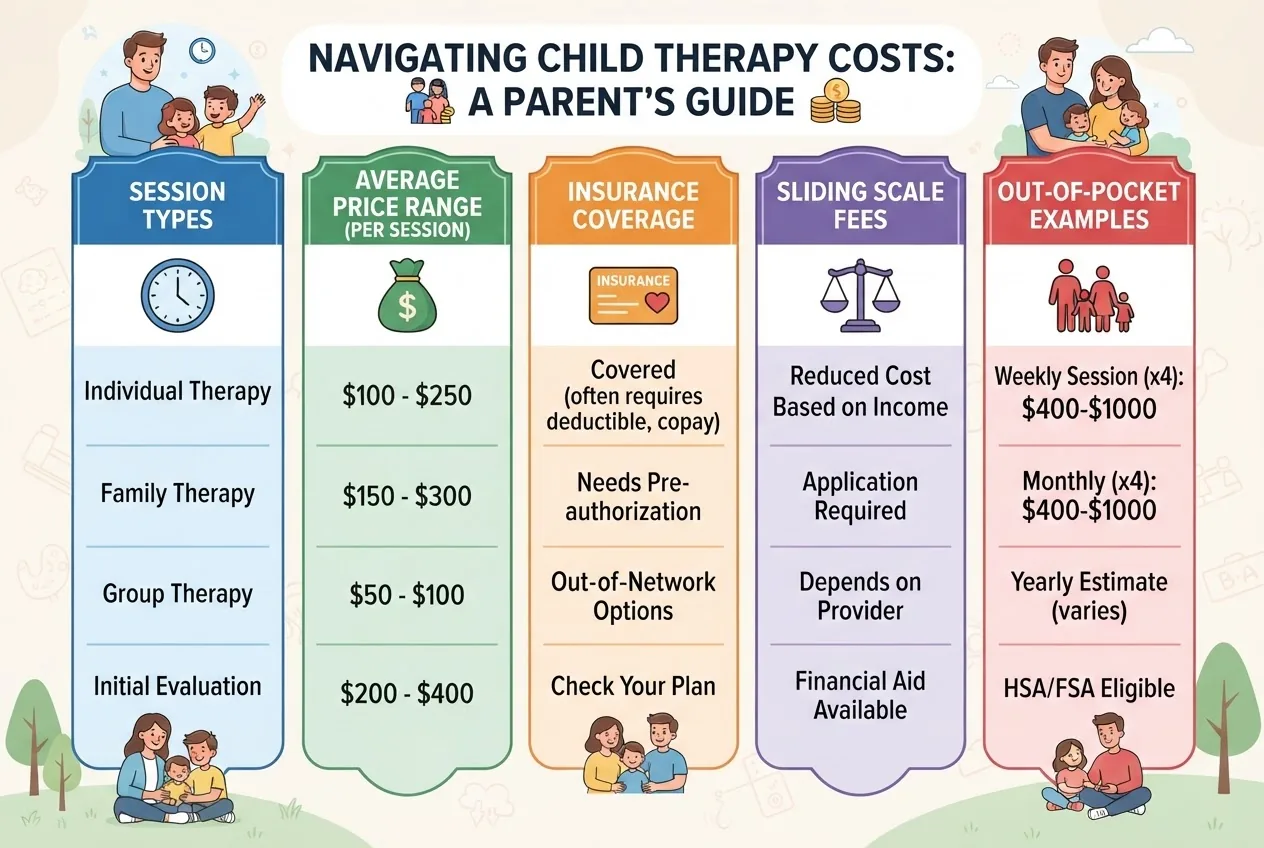
Typical session types and price ranges (examples we observed in a mid-sized metro area):
| Service | Typical Session Length | Average Cost per Session (OOP) | Notes |
|---|---|---|---|
| Play therapy (licensed clinician) | 30–50 minutes | $100–$200 | Longer sessions and highly specialized play therapists are at the upper range. |
| CBT for children / skill-based sessions | 35–60 minutes | $120–$220 | Often structured 8–16 session blocks; skills homework included. |
| Parent–child interaction therapy (PCIT) | 40–60 minutes | $130–$250 | May include live coaching equipment costs and more clinician time. |
| Initial assessment / intake (psychologist) | 60–120 minutes | $200–$600 | Psychological testing can increase cost; essential when diagnostic clarity is needed. |
| School-based or community-based services | 30–60 minutes | Often free or low-cost | Funded by school districts or public programs; access varies by region. |
Common payment models we encountered:
- Private pay per session (most common when insurance is limited).
- Sliding scale fees based on household income—ask clinics about availability (we negotiated a sliding scale for weekly sessions while awaiting insurance authorization).
- Insurance-covered visits—requires in-network providers or out-of-network reimbursement; preauthorization may be necessary.
- Medicaid or state children’s programs—can significantly reduce out-of-pocket costs for eligible families.
- Package or block rates—some clinics offer discounted pricing for pre-paid 8–12 session blocks.
As of 2024, mental health service utilization for children has grown. According to a 2024 industry report on pediatric mental health access, demand increased substantially, which affects wait times and price variability. For statistics on coverage and program access we also referenced government health resources. Government pediatric mental health resources
Trade-offs we measured: Higher-cost providers often offered specialized pediatric assessment and shorter wait times; lower-cost or school-based services improved access but sometimes lacked specialized pediatric play therapy training. We balanced speed of access against the clinician’s pediatric experience.
For parents comparing child and teen care pricing differences, see our referenced sibling cost guide. therapists for teens near me cost guide
Does Insurance Cover Child Therapy?
Insurance coverage varies by plan and state. Many private plans cover medically necessary mental health services for children, but requirements like in-network providers, prior authorization, or diagnosis codes are common. Medicaid and CHIP often provide broader coverage for eligible children. We confirmed specifics by calling insurers and reviewing plan summaries.
Example: a family with private insurance might pay a $20–$50 copay per session if the provider is in-network; out-of-network sessions typically mean higher out-of-pocket costs or the need to submit claims for reimbursement. Always request a written cost estimate and ask about preauthorization for assessment services.
What to Expect During a Child Therapy Session
We structured the first three sessions in a predictable way so the child and parents felt safe. Below is the typical flow we experienced—from intake to early follow-up—so you know what a family-first process looks like.
- Pre-intake call (15–30 minutes). Scheduler collects practical details: concerns, school involvement, insurance, and any urgent safety flags.
- Intake/assessment session (60–90 minutes). The clinician meets caregivers and the child. For young children this may include play-based observation, parent interview, and standardized questionnaires (for example, developmental milestone checklists or behavior rating scales). We used brief, validated screening tools to track baseline symptoms.
- Feedback and treatment planning (20–40 minutes). Clinician explains impressions, recommended therapy type (e.g., play therapy, CBT), expected frequency, and measurable goals. Consent and confidentiality limits are reviewed with caregivers.
- Therapy sessions (30–60 minutes). Sessions vary by method: play therapy is child-led; CBT sessions include teaching and practice; PCIT includes coached parent–child interaction. We saw most clinicians combine child time with regular parent check-ins.
- Progress review (every 6–12 sessions). Clinician shares measurable changes using simple scales or behavior logs. Adjustments to goals or frequency happen based on progress.
- Transition planning or discharge. When goals are met, clinicians plan step-down strategies, school communications, and follow-up checks. If more specialized services (e.g., psychiatric medication or teen-focused care) are needed, clinicians provide referrals; we used a referral to a teen resource when adolescence needs emerged. depression treatment for teenager
Assessments and tools used in practice: Play-based diagnostics, parent-completed rating scales (e.g., behavior checklists), and developmental milestone screening. These tools are standardized and help create measurable goals. Results vary per child and context.
Confidentiality is explained carefully: younger children’s sessions often involve shared reporting with caregivers about progress, while sensitive disclosures are handled with clinician judgment and legal confidentiality rules. We discussed limits of confidentiality, emergency contacts, and what would trigger the clinician to involve other services.
Benefits of Early Child Counseling
In our case, early intervention shortened the timeline for improvement. Below are evidence-based benefits and practical outcomes families can expect from timely child counseling.
- Improved emotional regulation and coping skills at an early age, reducing frequency and intensity of tantrums.
- Faster alignment with developmental milestones; coordinated interventions can address delays before they compound.
- Better family communication and parenting strategies when caregivers receive coaching during therapy.
- Reduced need for crisis services later—early skill-building often prevents escalation to more intensive care.
- Stronger school functioning and peer interactions through targeted behavioral strategies used by therapists and teachers.
- Long-term gains: early therapeutic relationships and skills predict better adolescent outcomes when supported by caregivers and schools.
For families tracking progression into adolescence or needing guidance on social anxiety later, we referenced an adolescent-focused guide on how to help a teenager with social anxiety to understand when early counseling should evolve into teen interventions.
Frequently Asked Questions About Kids Therapist Near Me
Below are concise answers to common parental questions encountered during our case and local search.
What does a kids therapist near me do differently than a regular therapist?
Kids therapists adapt techniques to a child’s developmental level, using play, art, parent coaching, and shorter sessions. They focus on milestones and family dynamics rather than adult-style talk therapy, and they coordinate with schools and pediatricians when needed.
How do I know if my child needs counseling services near me?
Consider counseling if behavior changes persist for weeks, affect school or sleep, or parents feel overwhelmed. Pediatricians, teachers, and screenings can help decide if a targeted intervention or assessment is appropriate.
What types of therapy are most effective for children?
Evidence supports developmentally adapted CBT, play therapy, PCIT, and family-based interventions for young children; effectiveness depends on matching the method to the child’s age, diagnosis, and family involvement.
How can I find a qualified child therapist near me?
Ask pediatricians and schools for referrals, verify state licensure, inquire about pediatric training, and observe initial sessions for rapport and a clear plan. Use local directories and clinician reviews to compare options.
How much does child counseling usually cost without insurance?
Out-of-pocket session costs commonly range from about $100 to $250 depending on clinician type and session length; initial evaluations and specialized testing are more expensive. Sliding scales may reduce fees.
How long does a typical kids therapy session last?
For younger children, sessions often last 30–50 minutes; assessments and parent coaching sessions may run longer. Frequency ranges from weekly to biweekly depending on goals and intensity.
What should I do if my child is resistant to seeing a therapist?
Start slowly: arrange joint activities, try play-based sessions, and attend initial meetings with your child. Clinicians routinely use engagement techniques and parent coaching to ease resistance.
How is privacy handled in counseling for children near me?
Clinicians explain confidentiality limits to parents: routine progress is shared with caregivers, but sensitive disclosures are managed with clinician judgment and legal safeguards; emergency reporting obligations are always explained up front.
Case outcome summary: We chose a licensed clinician specializing in play therapy who combined child-led sessions with weekly parent coaching. Over eight months, behavior incidents decreased by roughly 60% on a simple home behavior log and sleep improved within six weeks. Total family out-of-pocket costs were approximately $3,200, including an initial assessment and 20 weekly sessions, partially offset by insurance reimbursements. Results vary based on diagnosis, clinician, and insurance.
What this means for your situation: If your child shows persistent emotional or behavioral challenges and you can access local pediatric counseling, start with a targeted intake and pick a clinician with pediatric experience. Copy this approach when you need measured progress quickly. Adapt if insurance limits choices, or avoid this path if your child requires immediate psychiatric medication evaluation—then prioritize a child psychiatrist.
For authoritative standards on therapy approaches for children, consult the American Psychological Association and for public health data on child mental health access see government pediatric mental health resources. For credentialing and practice standards related to social work, see the National Association of Social Workers.
Next step: Call your pediatrician for referrals, request a brief intake call from 2–3 local clinicians focusing on pediatric experience and play-based methods, and prepare a simple goals list to bring to the first appointment.